Gravel Driveways Built Tough
From brand-new gravel driveways to washed-out repairs and equipment parking pads, Moving Dirt builds surfaces that hold up to Georgia clay, heavy rain, and daily use.
Every project starts with proper grading and a compacted sub-base — because gravel only stays where it belongs when the foundation underneath it is done right.
Serving Augusta, Evans, Grovetown, Thomson, and the entire CSRA with free quotes and 24/7 availability.
Gravel Driveway Installation Done Right the First Time in Augusta, GA
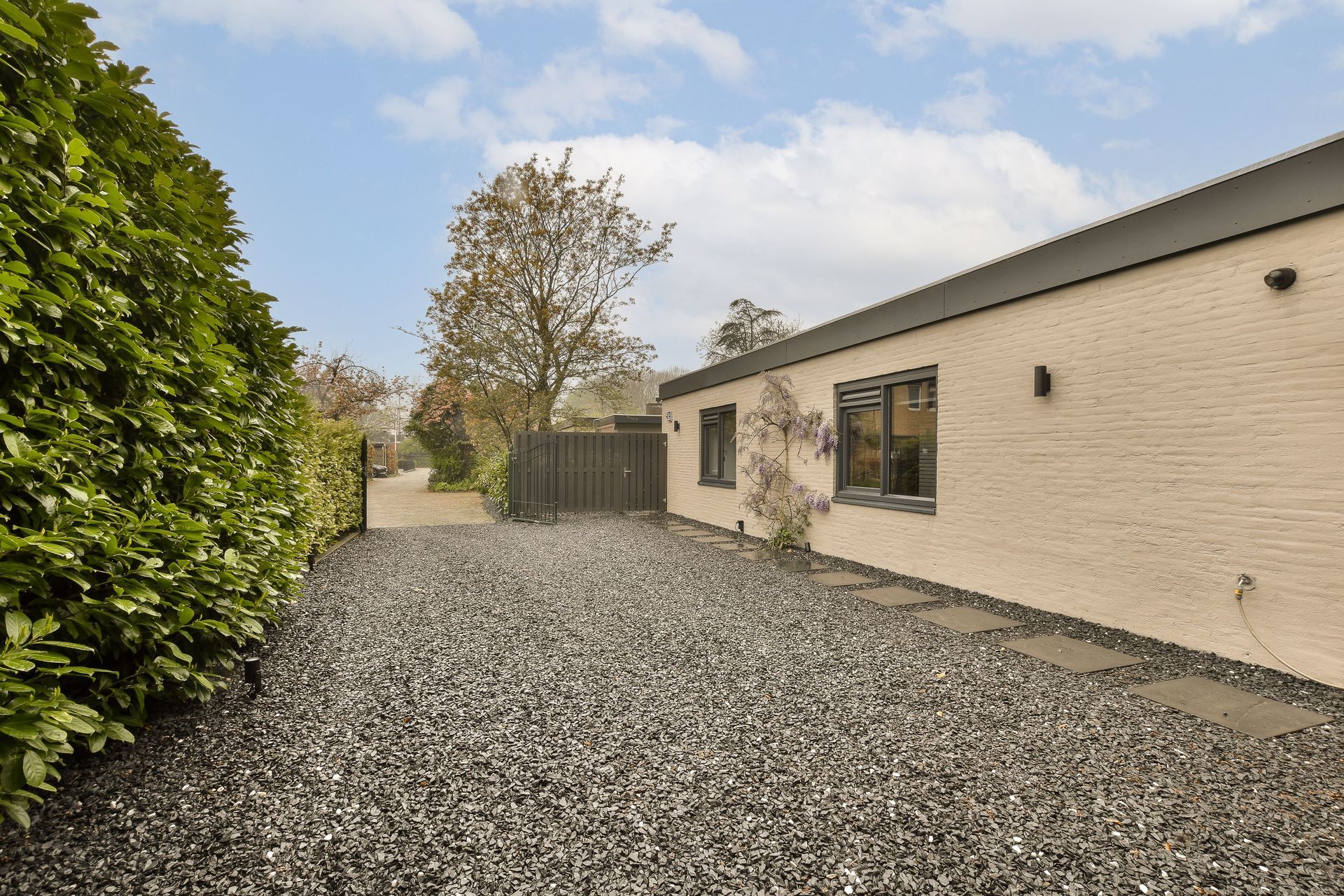
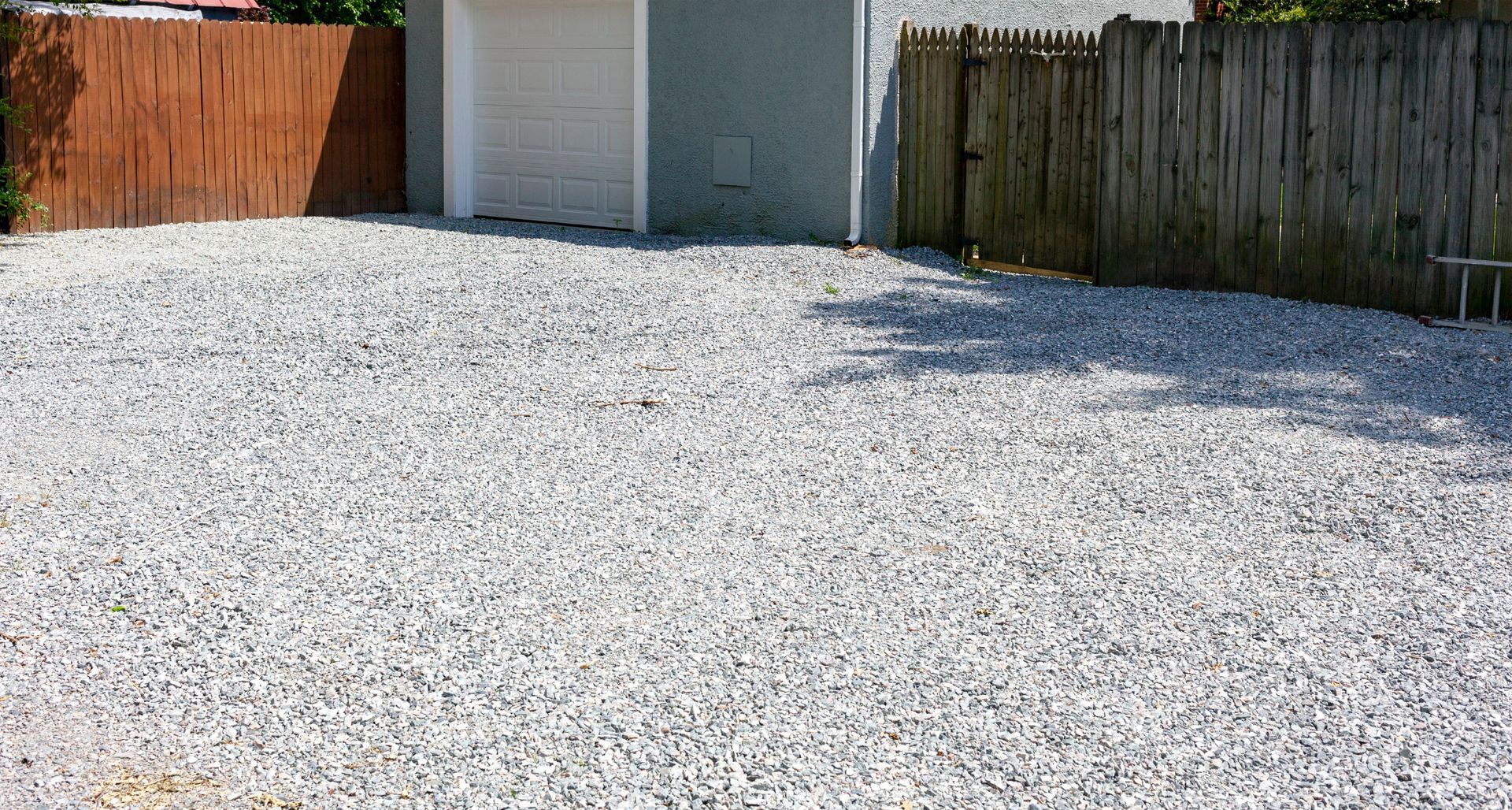
A properly built gravel driveway is not just gravel on the ground — it is a layered, engineered surface built from the subsoil up. Moving Dirt's installation process begins with full site clearing and vegetation removal, followed by rough grading to establish the correct slope and direct drainage away from the driveway surface and any adjacent structures. We then excavate to adequate depth based on the soil conditions present on your specific property. Where Georgia red clay is particularly active, we install geotextile fabric to prevent gravel migration downward into the soil over time—a step that many contractors skip and that leads directly to surface sinking and potholes within a few seasons. Once the fabric is down, we place a crushed stone or crusher run sub-base and compact it in lifts to achieve the load-bearing density the finished surface needs. Final surface gravel is then applied and graded to a consistent crown or slope that sheds water rather than allowing it to channel across the driving surface. Every shortcut in this process—skipped fabric, insufficient excavation depth, and uncompacted base—shows up as washout, rutting, or sinking within the first heavy rain season. Moving Dirt's crew has over 15 years of experience working specifically in the red clay conditions common across McDuffie, Columbia, Richmond, and Burke counties. We serve residential homeowners, rural property owners, and commercial clients who need reliable vehicle and equipment access year-round. Every project starts with a free, no-obligation on-site quote. Call us anytime — we are available 24/7.
What Type of Gravel Is Best for Georgia Driveways?
Crusher run (also called crush and run) is the most commonly recommended material for Georgia driveways because it compacts well, locks together under vehicle traffic, and resists the displacement that looser gravels are prone to in wet clay environments. Moving Dirt assesses each project individually and recommends the right gravel type based on traffic load, drainage conditions, and budget. The goal is always a surface that stays where it is placed — season after season.
Gravel Driveway Repair and Washout Restoration Across the CSRA
If your gravel driveway has washed out, developed deep ruts, formed potholes, or lost its surface material to the shoulders over time, the problem almost certainly starts below the surface — not at it. Gravel driveways fail for predictable reasons: inadequate original grading that allows water to channel across the driving surface instead of away from it; a missing or failed sub-base that allows the surface layer to sink into Georgia clay; and erosion channels that develop when drainage was never properly directed in the first place. Simply hauling a load of fresh gravel and dumping it on top of a failed surface does not fix any of these root causes. It only raises the grade temporarily while the same underlying problems continue to erode the material away—and you are back to square one after the next heavy rain. Moving Dirt's repair process begins with a thorough assessment of the existing surface and drainage flow across the property. We regrade as needed to restore the proper cross slope or crown that directs water off the driving surface; address any erosion channels or drainage issues contributing to ongoing washout; compact the base material to restore load-bearing capacity; and apply fresh gravel to bring the surface back to proper grade and function. This service is available to residential customers with rural or suburban driveways and commercial properties with high-traffic access roads or yard surfaces across Augusta, Waynesboro, Lincolnton, Appling, Warrenton, and Washington, GA, as well as North Augusta and Aiken, SC. We are available 24/7 for urgent access issues—if a washed-out driveway is blocking your property, call us day or night.
How Do I Stop My Gravel Driveway from Washing Out Every Time It Rains?
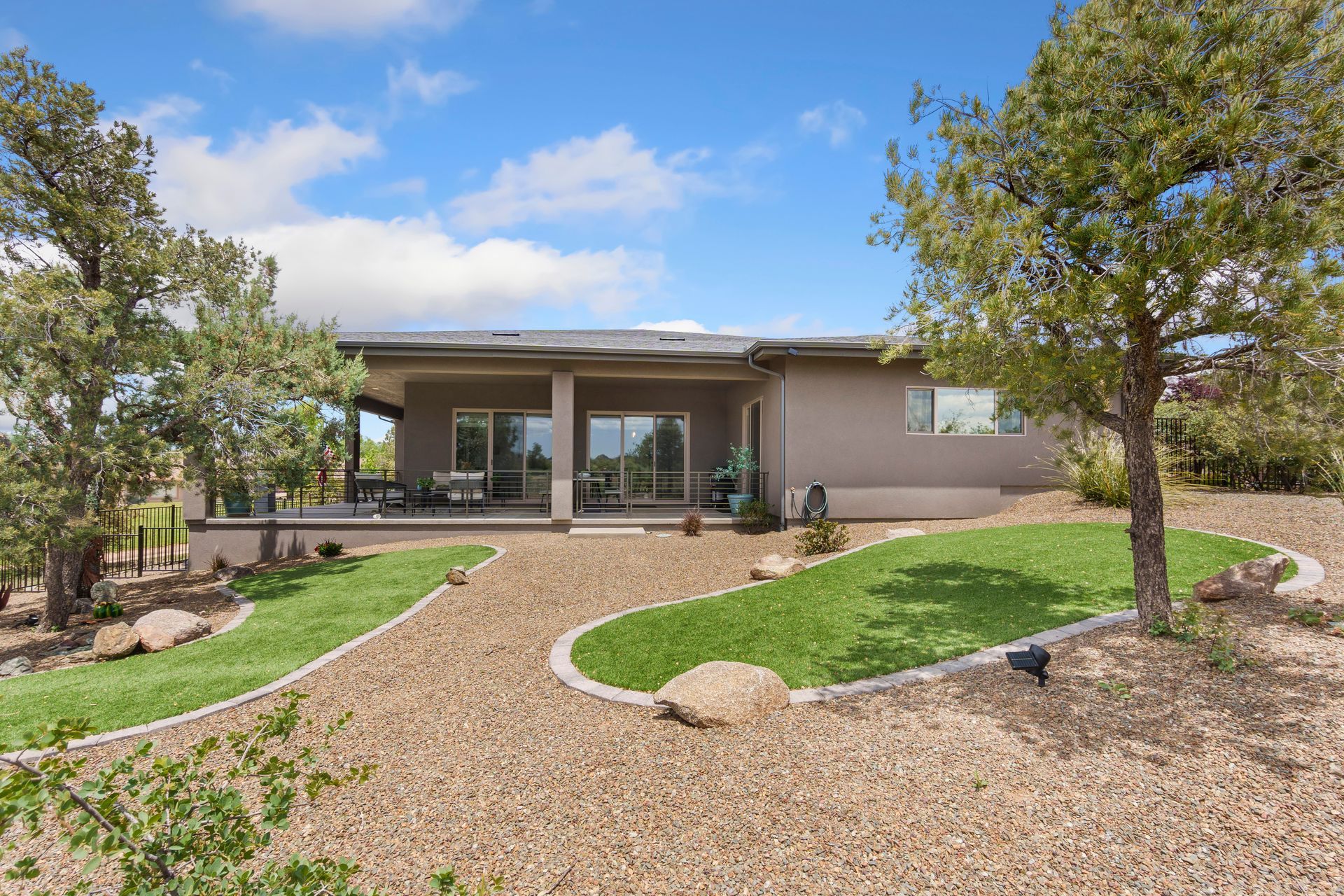
Chronic washout is almost always a grading and drainage problem, not a gravel problem—water needs a controlled path to flow away from the driveway surface rather than across it. Moving Dirt corrects the slope, installs or redirects drainage where needed, and builds the surface so rainwater moves off it rather than through it. Once the grading and drainage are right, the gravel stays in place regardless of how hard it rains.
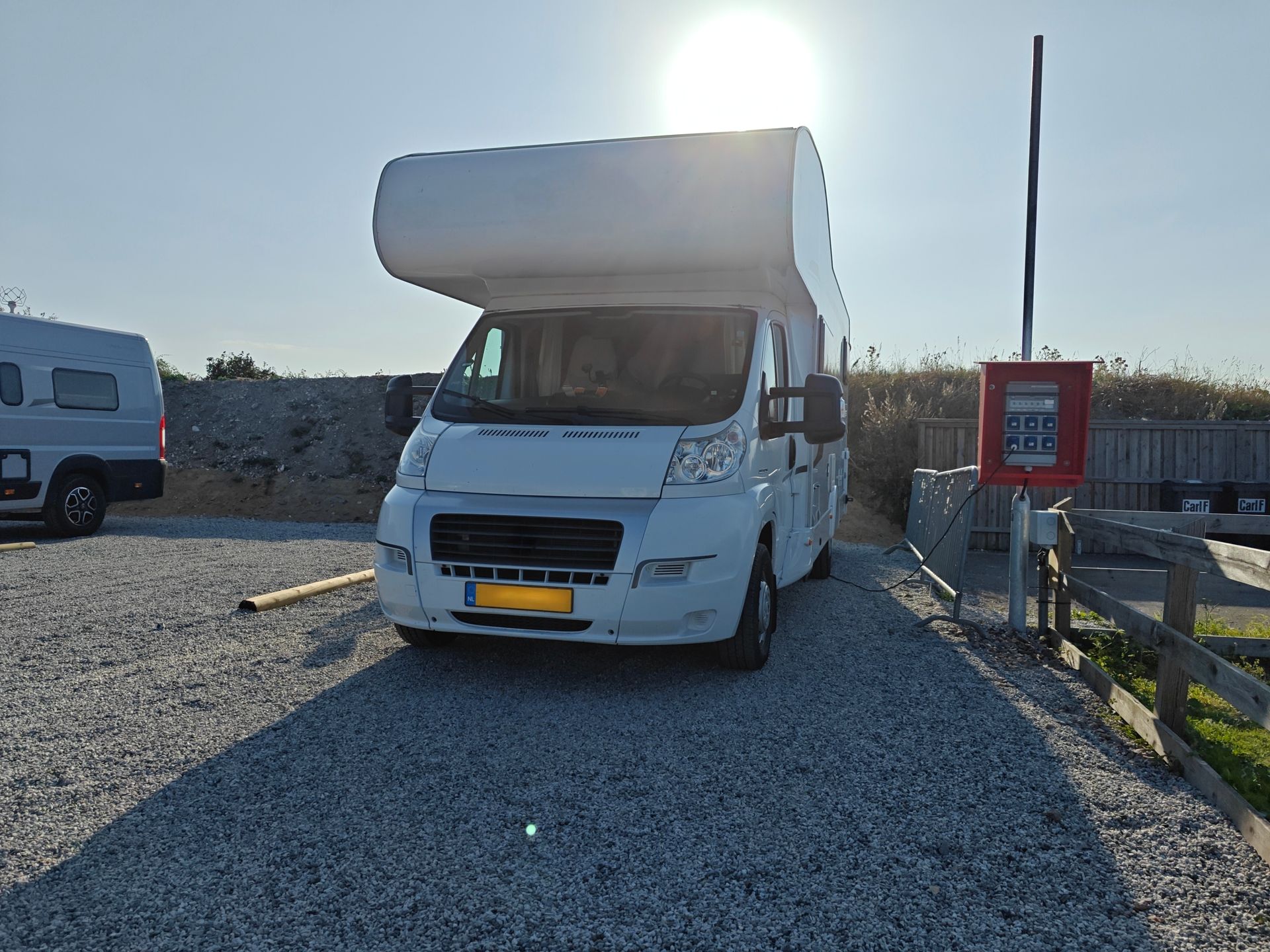
Parking Pad Construction for Vehicles, Trailers, RVs, and Heavy Equipment
This service is built for residential homeowners who need a dedicated parking surface for an RV, boat trailer, or extra vehicles; rural property owners who need vehicle staging or equipment storage areas; and commercial clients who need reinforced gravel yards or access staging pads for trucks, forklifts, or heavy machinery. Moving Dirt designs and builds these pads across the CSRA with the same grading discipline applied to every driveway project—because a parking surface is only as reliable as the preparation underneath it.
Moving Dirt's parking pad construction process begins with complete vegetation and topsoil removal to expose stable subsoil. We then establish rough grading and a controlled slope that directs water away from the pad surface and away from any nearby structures or access points. Excavation depth is determined by the load-bearing requirements of the intended use—a pad designed to support a loaded semi or heavy excavator is built to a deeper spec than one designed for personal vehicles. Geotextile fabric is installed to prevent the gravel layer from sinking into Georgia red clay over time under repeated load cycles. Sub-base material is placed and compacted in lifts to achieve a firm, stable bearing surface before final gravel is applied and graded. A parking pad built without proper compaction and drainage will develop soft spots, ruts, and standing water—often within a single wet season. Moving Dirt accounts for drainage direction at every project so water sheds away from structures and does not pond at vehicle entry points or tire contact zones. We are available 24/7 and provide free, no-obligation on-site quotes for every project.
Parking pad construction is available across Augusta, Evans, Grovetown, Thomson, Waynesboro, Lincolnton, Appling, Warrenton, and Washington, GA, as well as North Augusta, SC, and Aiken, SC—request a free quote through our contact page, and we will come assess your site and provide a straight answer on scope and cost.
Common Questions About Gravel Driveways and Parking Pads in the CSRA
The following questions are among the most common we hear from CSRA homeowners and commercial property managers who want to understand costs, timelines, maintenance expectations, and decision-making before calling for a quote.
How Much Does a Gravel Driveway Cost in Augusta or the CSRA?
Gravel driveway costs in the CSRA vary based on driveway length, width, depth of base preparation, material type, and site conditions such as existing vegetation or drainage challenges. A small residential driveway will fall on a significantly different end of the range from a longer rural access road or a commercial parking surface with heavy load requirements. Moving Dirt provides free, no-obligation on-site quotes so customers know their exact project cost before any work begins—call (706) 833-8780 to schedule your site visit.
How Long Does It Take to Install a Gravel Driveway?
A standard residential gravel driveway in the CSRA — including clearing, grading, sub-base, and surface gravel — can typically be completed in one to two days depending on driveway length, site conditions, and material delivery schedules. Larger commercial access roads or parking pads may require additional time for proper compaction in lifts. Moving Dirt operates 24/7 and works to keep project timelines tight—free quotes include a realistic schedule estimate so you know what to expect before work begins.
How Do I Maintain a Gravel Driveway Over Time?
Gravel driveways in Georgia benefit from periodic regrading — typically once every year or two — to redistribute displaced gravel and restore the drainage slope that keeps water moving off the surface rather than across it. Topping off with fresh crusher run every few years extends the life of the surface significantly. Proper original installation — sub-base, drainage, and compaction — reduces how often maintenance is needed, which is why investing in it correctly from the start saves real money over the life of the driveway.
Should I Repair My Gravel Driveway or Replace It Entirely?
Whether to repair or fully replace depends on the condition of the sub-base and drainage infrastructure beneath the surface gravel. If the base is intact and the surface has simply displaced from traffic or rain, targeted regrading and fresh gravel are often sufficient to restore function. If chronic washout, sinkholes, or standing water indicate a failed sub-base or inadequate original drainage, full removal and reconstruction is the more cost-effective long-term solution. Moving Dirt can assess the underlying condition and give you a straight recommendation on a free-quote visit.
Does Moving Dirt Serve My Area for Gravel Driveway Work?
Moving Dirt serves residential and commercial clients across the full CSRA region, including Augusta, Evans, Grovetown, Thomson, Waynesboro, Lincolnton, Appling, Warrenton, and Washington in Georgia, as well as North Augusta and Aiken in South Carolina. If your project is within driving distance of Thomson, GA, the team can typically provide a free on-site quote with no obligation. Call (706) 833-8780 or submit a quote request online.
Get a Free Gravel Driveway or Parking Pad Estimate Today
Moving Dirt is available 24/7, every quote is completely free, and there is no obligation to move forward—just a straight answer on what your project needs and what it will cost. Whether you need a brand-new gravel driveway installed, a washed-out surface repaired, or a parking pad built for vehicles or heavy equipment, our crew is ready to come out, assess the project, and give you an honest number. Reach out through our contact page or call us directly to get started.





